

Vitamin C serum for the face is a formidable ally in our quest for vibrant and youthful skin. Renowned for its beneficial properties, this formulation holds the potential to revitalize and rejuvenate our complexion. In this article, we unveil the secrets behind vitamin C serum’s effectiveness in glowing skin, exploring its remarkable benefits and role in skincare. Join us as we delve into the world of this remarkable product, uncovering the wonders it can do for your face.
Benefits of Vitamin C for the Skin
Vitamin C serum, a standout in the world of skincare products, has gained widespread acclaim for its multifaceted benefits, particularly for the face. Its appeal comes from its capacity to provide a range of benefits, from brightening to anti-aging, while accommodating different face types, including sensitive and acne-prone skin tones.
Skin Tone Enhancement:
Vitamin C serums are celebrated for their ability to even out skin tone. L-ascorbic acid and other vitamin C help reduce the appearance of dark spots and promote a more uniform skin tone, making it a preferred choice for those seeking a brightening serum.
Combating Aging Signs:
Aging skin benefits immensely from the antioxidant properties of Vitamin C. Because it promotes the formation of collagen, which is essential for preserving the flexibility of the skin, it helps lessen the appearance of fine lines and wrinkles.
Hydration and Skin Texture Improvement:
Serums containing hyaluronic acid, vitamin E, and vitamin C offer enhanced hydration, improving skin texture. This combination is particularly effective for dry skin, helping to alleviate dullness and uneven skin texture.
Acne and Oil Control:
For oily and acne-prone skin, including salicylic acid and glycolic acid in some brightening vitamin C serums, can help manage excess oil and dead skin cells. This can reduce acne outbreaks and help in healing acne scars.
Enhanced Protection against Environmental Stress:
Vitamin C is known for its antioxidant properties, protecting against free radical damage and environmental stressors like sun damage. This protective quality makes it a valuable addition to any skincare routine.
Synergistic Effects with Other Ingredients:
Combining vitamin C with ferulic acid, vitamin E, and fruit extracts like pomegranate extract in certain serums enhances its stability and efficacy. This synergy boosts collagen production and offers antioxidant protection, contributing to a healthy glow.
Specialized Formulas for Different Skin Types:
The market boasts a variety of the best vitamin C serums, including formulas like Vitamin C serum, catering to different skin types. These formulations ensure that whether one has reactive skin, dry skin, or oily skin, a suitable vitamin C face serum is available.
Choosing the Right Vitamin C Serum
Choosing the right Vitamin C serum is a pivotal decision in a skincare routine, particularly for those desiring this powerful ingredient’s numerous benefits. Given the array of formulations available, selecting a pure vitamin C serum that aligns with specific skin needs and goals is crucial for achieving optimal results.
Identifying Skin Type Compatibility:
Different skin types, be they sensitive, oily, acne-prone, or dry, require specific formulations. A serum with magnesium ascorbyl phosphate, a less irritating form of Vitamin C, is advisable for sensitive skin. Oily skin might benefit from serums with oil-soluble Vitamin C, like ascorbyl palmitate.
Concentration Matters:
The effectiveness of Vitamin C serums can vary based on the concentration of ascorbic acid. Beginners are often recommended to start with a lower concentration, around 10-15 percent Vitamin C, to allow the skin to adapt, especially if it is reactive skin.
Complementary Ingredients for Enhanced Efficacy:
The best Vitamin C serums often contain complementary ingredients like hyaluronic acid, vitamin E, and ferulic acid. These ingredients work in synergy with Vitamin C, enhancing its stability and skin benefits. For instance, C E Ferulic by Skinceuticals is a popular choice due to its synergistic effect.
Form of Vitamin C Used:
The efficacy of a Vitamin C serum also depends on the form of Vitamin C used. The strongest is L-ascorbic acid, however some people find it unpleasant. Alternatives like ascorbyl palmitate or sodium ascorbyl phosphate might suit different skin types.
Checking for Additional Beneficial Components:
Some serums include ingredients like glycolic acid or salicylic acid to aid in exfoliating dead skin cells or fruit extracts for added benefits. These can provide additional skin-brightening or acne-fighting properties.
Understanding Serum pH Levels:
The pH level of a Vitamin C serum can impact its effectiveness. A lower pH means better absorption but also a higher chance of irritation. It’s important to find a balance that suits your skin’s tolerance.
Packaging and Stability Considerations:
Vitamin C is prone to oxidation; hence, packaging plays a crucial role. Look for serums in opaque, airtight bottles to ensure the stability and longevity of the product.
Incorporating Vitamin C Serum into Your Skincare Routine

Adding vitamin C serum to your skincare regimen may greatly improve the condition and look of your skin. However, the key to harnessing antioxidant serum to its full potential lies in effectively integrating it with other skincare products and practices.
Timing in Routine:
Vitamin C serums are best applied in the morning as they provide antioxidant protection against environmental stressors like sun damage. Applying a few drops after cleansing and toning ensures maximum absorption.
Layering with Other Products:
Vitamin C serum should be layered under heavier products like moisturizers and sunscreens for optimal results. This sequence allows the serum, particularly formulations with L-ascorbic acid, to penetrate the skin effectively without interference.
Pairing with Sunscreen:
Combining Vitamin C serum with sunscreen amplifies protection against UV rays and free radical damage. Vitamin C’s antioxidant properties complement the physical barrier sunscreen provides, making it an essential morning duo.
Integrating with Exfoliating Acids:
If your routine includes exfoliating acids like glycolic or salicylic acid, use them at a different time than the Vitamin C serum. For instance, acids can be used in the evening, while Vitamin C is applied in the morning.
Combining with Hydrating Ingredients:
Products containing hyaluronic acid, ceramides, or other hydrating ingredients can be used alongside Vitamin C serums. These ingredients help retain moisture and can enhance the brightening and hydrating effects of Vitamin C.
Avoiding Certain Combinations:
It’s advisable to avoid using Vitamin C serum in conjunction with retinoids or niacinamide at the same time of application. These combinations can sometimes lead to skin irritation or reduce the efficacy of the products.
Adjusting to Skin’s Response:
When starting with a new Vitamin C serum, monitor your skin’s response. Initial mild irritation is common, especially with high concentrations of ascorbic acid. If discomfort continues, think about switching to a different type of vitamin C or a serum with a lower dose.
Common Myths and Misconceptions about Vitamin C Serum
Vitamin C serum, a celebrated component in skincare, is often surrounded by myths and misconceptions. Dispelling these inaccuracies is crucial for understanding and harnessing the true benefits of this potent ingredient in a skincare routine.
Myth: Vitamin C is Only for Aging Skin:
One common misconception is that vitamin C serum exclusively benefits aging skin. It is beneficial for a variety of skin kinds and issues, including uneven skin tone, dark spots, and even acne-prone skin, due to its antioxidant qualities and capacity to increase the formation of collagen.
Misconception: Immediate Results:
Expecting instant results after applying vitamin C serum is another myth. While some effects, like a brightening glow, can be noticed relatively quickly, significant skin texture and tone changes may take several weeks of consistent use.
Myth: Vitamin C Serums Are All the Same:
There’s a false belief that all vitamin C serums are identical. The truth is that formulations vary significantly, especially regarding the type and concentration of vitamin C (like L-ascorbic acid or magnesium ascorbyl phosphate), additional ingredients (like hyaluronic acid or ferulic acid), and pH levels. These variations can affect the serum’s effectiveness and suitability for different skin types.
Misconception: Vitamin C Causes Sun Sensitivity:
A common myth is that vitamin C serum increases sun sensitivity. Contrarily, vitamin C provides antioxidant protection against UV damage. However, it is not a substitute for sunscreen but rather a complement.
Myth: Darker Serums are More Effective:
The belief that a darker serum indicates higher potency is inaccurate. A color change can signify oxidation, potentially reducing the serum’s effectiveness. Serums should ideally be clear or lightly tinted and stored away from direct sunlight.
Misconception: Vitamin C is Incompatible with Certain Skincare Ingredients:
There’s a myth that vitamin C cannot be used with ingredients like niacinamide, retinoids, or AHAs/BHAs. While it’s true that certain combinations can be irritating for some skin types, they can be used together or alternately for many, depending on individual skin tolerance and the specific formulations used.
Myth: Higher Concentration Equals Better Results:
Lastly, the idea that higher concentrations of vitamin C yield better results is misleading. Higher concentrations can increase the risk of irritation without necessarily offering increased benefits, especially for sensitive or reactive skin.
Potential Side Effects and How to Avoid Them
While vitamin and pure vitamin C serum are renowned for their myriad skin benefits, it’s essential to acknowledge and understand their potential side effects. Awareness and preventive measures can significantly mitigate these adverse reactions, ensuring a safer and more effective skincare experience.
- Irritation and Redness: One of the most common side effects, especially in individuals with sensitive skin, is irritation or redness. This can occur due to a high concentration of ascorbic acid. Start with a lesser dose to prevent this, then raise it gradually as your skin adjusts.
- Dryness and Flaking: Vitamin C serums, particularly those with high percentages of L-ascorbic acid, can sometimes cause dryness or flaking. Counter this by pairing the serum with hydrating ingredients like hyaluronic acid and ensuring your skincare routine includes a good moisturizer.
- Stinging Sensation: A mild stinging or tingling sensation upon application is not uncommon, particularly for new users or those with reactive skin. To minimize this, apply the serum to dry skin, as damp skin can increase the absorption rate, leading to irritation.
- Oxidation and Ineffectiveness: Oxidation of Vitamin C serums, evident through a darkening color, can reduce effectiveness. Prevent this by storing the serum in a cool, dark place and ensuring the packaging is airtight.
- Breakouts: In rare cases, individuals with acne-prone or oily skin may experience breakouts. This might be due to the serum’s texture or other ingredients in the formulation. Opting for non-comedogenic and oil-free formulations can help mitigate this risk.
- Allergic Reactions: Allergic reactions, though rare, can occur. Before incorporating a new vitamin C serum into your regimen completely, it’s essential to do a patch test, particularly if you have sensitive skin or a history of allergies.
- Interactions with Other Skincare Ingredients: Vitamin C can react adversely when combined with certain other skincare ingredients, such as retinoids or AHAs/BHAs. To avoid this, use these ingredients at different times of the day or on alternate days.
Comparing Vitamin C Serum with Other Skincare Products
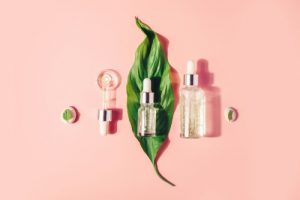
Vitamin C serum, a pivotal player in skincare, often stands in comparison to other skincare products due to its unique properties and benefits. Understanding the best vitamin C serum and how it differs from and complements other products is key to formulating an effective skincare routine.
Vitamin C vs. Retinoids:
While both Vitamin C and retinoids are powerful anti-aging ingredients, their mechanisms differ. Vitamin C provides antioxidant protection and aids in collagen production, leading to brighter, more even skin tone. Retinoids, on the other hand, accelerate cell turnover, reducing wrinkles and improving skin texture. They can be used in tandem with Vitamin C in the morning and retinoids at night to avoid potential irritation.
Vitamin C and Hyaluronic Acid:
Hyaluronic acid is a hydrating component often found in serums and moisturizers. When used with Vitamin C serum, it aids in hydrating the skin, enhancing the serum’s skin-brightening and texture-improving effects.
Comparison with AHA/BHAs:
Alpha-hydroxy acids (AHAs) and beta-hydroxy acids (BHAs), like glycolic acid and salicylic acid, are exfoliants. Vitamin C works differently by providing antioxidant benefits and stimulating collagen. While AHAs/BHAs focus on removing dead skin cells, Vitamin C helps heal and rejuvenate the skin. They should be used separately to avoid irritation.
Vitamin C vs. Niacinamide:
Niacinamide, another popular skincare ingredient, reduces inflammation and redness. While niacinamide and Vitamin C can brighten skin, they have been traditionally considered incompatible due to different pH levels. However, recent formulations have made it possible to use them together without reducing efficacy.
Vitamin C and Sunscreen:
Sunscreen is a non-negotiable in skincare, primarily protecting the skin from UV damage. Vitamin C complements sunscreen by neutralizing free radical damage and enhancing sun protection. Together, they provide a comprehensive defense against environmental stressors.
Ferulic Acid Synergy:
As shown in certain products, ferulic acid is an antioxidant that greatly increases the stability and effectiveness of vitamin C when coupled with both E and C.
Vitamin C and Peptides:
Peptides are building blocks of proteins, signaling the skin to produce more collagen. Vitamin C, in synergy with peptides, can enhance the skin’s firmness and repair processes.
Expert Opinions and Dermatologist Recommendations on Vitamin C Serum
Expert opinions and dermatologist recommendations are pivotal in shaping public understanding and usage of Vitamin C serum. These professionals, grounded in scientific research and clinical experience, offer invaluable insights into effectively and safely incorporating this potent ingredient into skincare routines.
- Universal Endorsement for Antioxidant Benefits: Dermatologists universally endorse Vitamin C serum for its antioxidant properties. Experts point out that it has the capacity to counteract free radical damage brought on by environmental stresses that accelerate aging, such pollution and UV radiation.
- Concentration and Formulation Advice: Experts frequently suggest beginning with a lesser dosage of vitamin C if your skin is reactive or sensitive. For optimal effectiveness, dermatologists advise searching for serums containing L-ascorbic acid, the most accessible form of vitamin C.
- Recommendations on Synergistic Ingredients: Experts frequently suggest choosing Vitamin C serums that include synergistic antioxidants like vitamin E and ferulic acid. For instance, due to this combination, the Skinceuticals C E Ferulic serum is often recommended for its enhanced stability and effectiveness.
- Guidance on Vitamin C for Different Skin Types: Dermatologists emphasize choosing a Vitamin C serum that aligns with your skin type. For oily or acne-prone skin, a water-based or oil-free formula serum is recommended, while drier skin types benefit from added hydrating ingredients like hyaluronic acid.
- Advice on Incorporation into Skincare Routines: Experts suggest applying Vitamin C serum in the morning to exploit its sun-protective properties. However, they also stress the importance of pairing it with a broad-spectrum sunscreen to safeguard against UV damage.
- Views on Potential Side Effects and Tolerance: Dermatologists advise a cautious approach when starting a new Vitamin C serum, especially for sensitive skin. A patch test is often recommended to rule out allergic reactions or sensitivities.
- Opinions on Product Storage and Shelf Life: To maintain the efficacy of Vitamin C serums, experts advise storing them in a cool, dark place. They also note that serums that have turned brown or have a stinky smell should be discarded, indicating oxidation.
A superior vitamin C serum may efficiently preserve and feed your skin, leaving it looking healthier and more luminous overall. This potent antioxidant helps reduce the appearance of fine lines and wrinkles, diminishing dark spots and promoting a more youthful complexion. A superior vitamin C serum may efficiently preserve and feed your skin, leaving it looking healthier and more luminous overall. Don’t miss out on the incredible advantages of using a pure vitamin C serum just for your face – unlock its potential and unveil a glowing complexion today.
References
11 Reasons to Add Vitamin C Serum to Your Skin Care Routine
https://www.healthline.com/health/beauty-skin-care/vitamin-c-serum-benefits
Why is topical vitamin C important for skin health? – Harvard Health
https://www.health.harvard.edu/blog/why-is-topical-vitamin-c-important-for-skin-health-202111102635
Topical Vitamin C and the Skin: Mechanisms of Action and Clinical Applications – PMC
https://www.ncbi.nlm.nih.gov/pmc/articles/PMC5605218/
Vitamin C Serum: Best Products, Benefits, Side Effects, How to Use
https://www.everydayhealth.com/skin-beauty/what-are-benefits-risks-vitamin-c-serums/
Vitamin C Serum: Benefits, How to Apply
https://health.clevelandclinic.org/vitamin-c-serum