
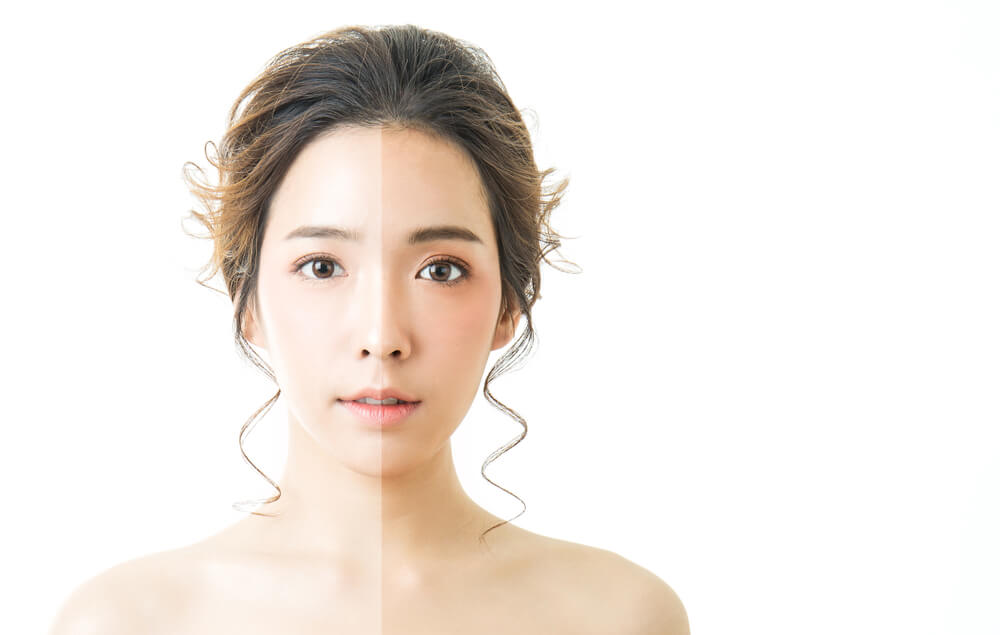
Experiencing a sunburn can be painful and frustrating, especially when you only want a golden tan. In this guide, we’ll explore how to turn sunburn into tan without compromising the health of your skin. While it’s crucial to understand that sunburn is harmful and poses health risks, there are several easy steps to minimize the damage and enhance your skin’s appearance. Dive into the safe practices that can help transform that burn into a more desirable and even complexion.
Introduction to Managing Sunburn: How to Turn Sunburn into Tan

Managing sunburn effectively is essential for both immediate relief and long-term skin health. Transitioning safely from a sunburn to a tan involves understanding the damage caused by UV rays and implementing protective measures to nurture and repair the skin.
Immediate Response to Sunburn
As soon as you notice sunburn, it’s critical to start cooling the affected area to reduce inflammation and discomfort. Taking a cool bath or using a cold compress to treat sunburn can help alleviate heat while hydrating the body. Drinking plenty of water supports the skin’s healing process.
Skin Care Post-Sunburn
Applying aloe vera gel directly onto sunburned skin can provide soothing relief and accelerates the recovery of damaged skin cells. Hydrocortisone cream can be used for more intense burns to reduce inflammation and discomfort further.
Gradual Healing and Exfoliation
Once initial inflammation subsides, gentle exfoliation can aid in removing peeling or dead skin cells, preventing uneven patches and promoting a smoother tan transition. It’s important to use mild, non-irritating products to avoid further skin damage.
Protecting and Nurturing Skin
Continue to protect healing skin from further UV damage by applying broad-spectrum sunscreen daily and wearing protective clothing. This prevents additional sunburns and supports the development of a healthier, more even tan and skin health.
Avoiding Harsh Treatments
Steer clear of harsh methods like tanning beds or excessive sun exposure, which can exacerbate skin damage and increase the risk of long-term issues like skin cancer.
Understanding Sunburn: The Science Behind Skin Damage
Sunburn is not just an uncomfortable inconvenience; it’s a clear sign of skin damage caused by excessive exposure to UV rays. Understanding the biological impacts can help manage and prevent sunburn more effectively.
UV Radiation and Skin Cells: Sunburn happens when the skin receives excessive exposure to ultraviolet (UV) light from the sun or synthetic sources, such as tanning beds. UV rays infiltrate the skin and harm its DNA. This process triggers an inflammatory reaction that results in the skin turning red, hot, and sore. This is a protective response where the body boosts blood circulation to the impacted area to mend harm and eliminate dead cells.
Immediate Effects on the Skin: The first visible symptom of sunburn is redness because blood vessels dilate in response to UV damage. Moderate sunburn can range from mild redness to severe burns that blister and peel. Swelling and tenderness are common as the body sends more blood and immune cells to repair the damage.
Long-Term Consequences: Repeated sunburns significantly increase the risk of developing skin cancer, particularly melanoma. They also accelerate skin aging, leading to premature wrinkles, sagging, and age spots. The damage from UV light can make the skin leathery and less elastic over time.
Healing Process: The skin will begin to heal by peeling away the damaged cells to make room for new cells. During this time, it’s crucial to keep the skin moisturized, avoid further sun exposure, and let the natural healing process occur without picking at peeling skin.
Protective Measures: Understanding these mechanisms highlights the importance of proactive sun protection. Using broad-spectrum sunscreen, wearing protective clothing, and avoiding peak sun hours are essential steps in preventing sunburn and minimizing long-term damage.
Immediate Actions: What to Do Right After Getting Sunburned

Prompt and effective action following sunburn can alleviate discomfort, reduce swelling, and expedite the healing process, mitigating the damage to skin tissues.
Cooling the Skin
Immediately after noticing a sunburn, it is crucial to cool the affected area to help reduce inflammation and soothe burned skin. Applying a cool compress or shower can help remove heat from the skin, providing immediate relief. Avoid ice or extremely cold water, as these can cause further damage to the already sensitive skin.
Hydration
A sunburn directs fluid to the skin’s surface and away from the rest of the body, so it’s important to drink plenty of water after sunburn to prevent dehydration. Staying well-hydrated helps the body recover more efficiently and reduces the risk of heat-related illnesses.
Moisturizing the Skin
After cooling the area, applying a moisturizer containing aloe vera or soothing hydrocortisone cream can help further reduce inflammation and moisturize the skin. Products containing alcohol should be avoided, as they can further dry out and irritate the skin.
Avoid Further Sun Exposure
Protecting sunburned skin from more UV exposure is crucial. Avoid the sun by staying indoors or in the shade, and wear loose, protective clothing. Wear sunscreen that covers the sunburned areas if you need to go outside.
Pain Relief
If the sunburn is especially painful, over-the-counter pain medications such as ibuprofen or acetaminophen can assist in reducing inflammation and alleviating discomfort. Be sure to adhere to the advised dosages and consult with a healthcare professional if the pain continues.
Monitor for Severe Symptoms
Watch for signs of severe sunburn, such as extreme blistering, headaches, confusion, nausea, or chills. If any of these symptoms occur, seeking medical attention is important, as they might indicate sun poisoning or dehydration.
Skin Moisturizing Strategies After Sun Exposure: Key Products and Practices

Proper moisturization after sun exposure is critical for repairing and soothing sunburned skin, helping to prevent peeling and ensuring a healthier healing process.
Hydration from Within: Start by hydrating internally. Drinking plenty of water replenishes the fluids lost to sun exposure and aids in the skin’s overall recovery. Ensuring adequate hydration helps maintain the skin’s moisture balance and supports the healing process.
Choosing the Right Moisturizer: After sun exposure, select moisturizers specifically formulated for sunburned skin. Products containing aloe vera or soothing hydrocortisone cream are ideal, as they help to soothe and reduce inflammation. Look for moisturizers free of alcohol and added fragrances, which can irritate and dry out sensitive skin.
Use of Natural Remedies: In addition to over-the-counter products, natural remedies can be effective in soothing sunburn. Direct application of aloe vera gel from the plant to the affected skin offers soothing cooling relief and hydration. Coconut oil, celebrated for its moisturizing and anti-inflammatory qualities, can be gently rubbed onto the skin to hydrate and soothe, helping to prevent sunburn. Apple cider vinegar is occasionally employed as a natural treatment for sunburn due to its potential to stabilize the skin’s pH and enhance healing. However, its acidity can irritate and dry out sunburned skin, so it should be used cautiously and diluted with water.
Timely Application: Apply your chosen moisturizer or treatment soon after bathing or showering to lock in moisture. Gently pat the skin dry and generously apply moisturizer to the sunburned areas. Reapplying several times daily can help keep the skin hydrated and ease discomfort.
Cool Baths and Showers: Regular cool baths or showers can help calm the burn, and following up immediately with moisturizer can extend the relief. Steer clear of excessive sun exposure or hot water, as these can remove essential oils from the skin, exacerbating dryness and irritation.
Clothing Considerations: Wear loose, soft, breathable clothing to avoid irritating sunburned skin. Fabrics that don’t rub against the burned skin can prevent further damage and discomfort as the skin heals.
Gradual Exposure: Safely Increasing Sun Tolerance
Safely increasing sun tolerance through gradual exposure is a strategic approach to enjoying the sun while minimizing the risk of severe sunburns and long-term skin damage.
- Start with Short Durations: Begin with brief periods of sun exposure, ideally during the less intense sun hours before 10 AM or after 4 PM. Limiting exposure to about 10-15 minutes a day allows the skin to adapt slowly and build a slight, protective tan without overwhelming it.
- Incremental Increase: Gradually increase the time spent in the sun by just a few minutes each session, closely monitoring the skin’s response. This controlled exposure helps your skin produce more melanin, the natural pigment that is responsible for your skin color and provides some sun protection.
- Use of Sunscreen: Consistently use a broad-spectrum sunscreen with a minimum SPF of 30, even when attempting to build sun tolerance. Sunscreen helps filter out harmful UV rays and reduces the risk of sunburn, allowing for a safer increase in exposure time. Reapply every two hours, or right after swimming or sweating.
- Seek Shade: During the most intense sun hours, find natural shade or sun protective clothes such as hats, sunglasses, and long-sleeved shirts. These barriers provide additional protection while still allowing some sun exposure.
- Listen to Your Skin: Monitor how your skin reacts to sun exposure. Any redness or discomfort indicates it’s time to seek shade and rest the skin. Overexposure, even if gradual, can still lead to sunburn.
- Stay Hydrated: Keep hydrated by drinking plenty of fluids. Sun exposure and increased outdoor time can lead to dehydration, which stresses the skin and reduces its ability to protect itself.
In conclusion, while the goal might be to turn a sunburn into a tan, it’s essential to prioritize skin health above all. By following the right steps, such as proper moisturization and gradual sun exposure, you can encourage your skin to heal while developing a healthier, more even tan. Always remember that the best approach is prevention and protection to maintain skin health and prevent future sun damage.
References
Does a Sunburn Turn into a Tan? What to Expect
https://www.healthline.com/health/does-sunburn-turn-into-tan
Fact or Fiction?: A “Base Tan” Can Protect against Sunburn
https://www.scientificamerican.com/article/fact-or-fiction-a-base-tan-can-protect-against-sunburn/
Sunburn – StatPearls – NCBI Bookshelf
https://www.ncbi.nlm.nih.gov/books/NBK534837/
Sunburn – Symptoms and causes – Mayo Clinic
https://www.mayoclinic.org/diseases-conditions/sunburn/symptoms-causes/syc-20355922
First aid advice for sunburn and heat illness – Canada.ca
https://www.canada.ca/en/health-canada/services/sun-safety/first-aid-advice-sunburn-heat-illness.html