

Sunburn can be uncomfortable and potentially harmful, leading many to seek effective treatments to alleviate the pain and accelerate healing. Among various remedies, hydrocortisone for sunburn emerges as a topic of interest for its anti-inflammatory properties and potential to soothe irritated skin.
In this article, we examine the effectiveness of hydrocortisone as a treatment option for sunburn, appropriate application methods, and safety considerations. Our goal is to offer a thorough insight, arming you with the necessary information to make well-informed choices regarding hydrocortisone for sunburn relief, thereby guaranteeing your skin gets optimal care following sun exposure.
Hydrocortisone for Sunburn: Understanding Its Role in Healing
Hydrocortisone is key in healing sunburn and relieving inflammation and pain caused by excessive sun exposure. As a topical steroid, it effectively reduces sunburn symptoms and promotes quicker recovery. Proper use of hydrocortisone cream is essential for maximizing its benefits while ensuring skin safety.
Detailed Direct Application
For optimal use of hydrocortisone cream, begin with a thorough handwashing to avoid transferring bacteria to the sunburned area. Then, carefully smooth a uniform, slender coating of the cream directly over the affected skin. This targeted approach helps directly soothe inflammation and alleviate discomfort, ensuring the active ingredients effectively reach the needy area.
Comprehensive Adherence to Guidelines
Adhering strictly to the application instructions detailed on the hydrocortisone cream’s packaging or as directed by a healthcare provider is absolutely crucial. This includes adhering to the recommended frequency of application and the total duration of treatment. Such diligence helps mitigate the risk of side effects associated with overuse, such as skin thinning or increased sensitivity.
Integrating Synergistic Remedies
For enhanced relief and recovery from sunburns, consider combining hydrocortisone with other soothing remedies. Applying aloe vera gel can provide additional cooling and hydration, while cool compresses can further reduce swelling and discomfort. This multi-faceted approach promotes more comprehensive healing of sunburned skin.
Identifying When to Seek Help for Severe Cases
While hydrocortisone is effective for mild to moderate sunburns, it is critical to recognize when a sunburn requires more advanced care. If you notice signs of infection, such as increased pain, swelling, or red streaks, or if the sunburn covers a large area or blisters extensively, seek immediate medical care and attention. These symptoms indicate a need for professional intervention beyond over-the-counter treatments.
Implementing Preventive Measures for Future Protection
Beyond treating existing sunburn, adopting preventive strategies is essential to preventing skin cancer and safeguarding your skin against future damage. Consistently applying a broad-spectrum sunscreen with an SPF of 30 or higher, donning protective attire, and finding shade during peak sunlight hours significantly lowers the chance of sunburn, fostering sustained skin health.
How to Properly Apply Hydrocortisone Cream for Sunburn Relief
Applying hydrocortisone cream correctly can significantly enhance its effectiveness in relieving the discomfort and inflammation of a bad sunburn. This steroid cream, known for its anti-inflammatory properties, can help soothe the skin after too much sun exposure. However, to harness its full potential and ensure safety, following specific application guidelines is crucial. Understanding the right way to apply hydrocortisone cream not only maximizes sunburn relief but also minimizes any risks associated with its use.
Clean the Affected Area: Before application, gently clean the sunburned skin with cool water and pat it dry with a soft towel to remove any irritants that could hinder the cream’s effectiveness.
Apply a Thin Layer: With clean hands, carefully spread a thin layer of hydrocortisone cream over the sunburned area, ensuring even coverage without over-application, which can lead to skin irritation or other side effects.
Frequency of Application: Adhere to the recommended dosage on the product label or as directed by a healthcare professional, typically applying the cream 2-3 times daily for a specified duration to avoid potential complications.
Avoid Sensitive Areas: Avoid applying hydrocortisone cream near the eyes, dead skin, mouth, and mucous membranes to prevent irritation and adverse reactions.
Sun Exposure: Limit direct sunlight exposure on the skin to heal the treated areas, prevent further skin damage, and reduce the risk of diminishing the cream’s therapeutic effects.
The Benefits and Limitations of Using Hydrocortisone on Sun-Damaged Skin

Utilizing hydrocortisone for mild sunburn-damaged skin offers several benefits, including reducing inflammation and alleviating discomfort, yet it’s important to acknowledge its limitations. As a topical steroid, hydrocortisone effectively soothes the irritation and redness associated with mild to moderate sunburn, making it a go-to option for quick relief. However, understanding this treatment’s advantages and boundaries ensures that individuals can use it most effectively while safeguarding their skin health.
- Inflammation Reduction: Hydrocortisone effectively decreases the skin’s inflammatory response to sunburn, minimizing redness and swelling to provide comfort.
- Pain and Discomfort Alleviation: By reducing inflammation, hydrocortisone also lessens the pain and discomfort that often accompany sunburn, helping to restore a sense of normalcy sooner.
- Ease of Use and Accessibility: Hydrocortisone is available over the counter and is easily accessible and simple to apply, making it a convenient option for sunburn treatment.
Limitations to Consider
- Not Suitable for Severe Sunburn: Hydrocortisone is less effective for severe sunburns or burns that exhibit signs of infection or extensive blistering, which may require medical attention.
- Potential Side Effects: Prolonged or excessive use can lead to skin thinning, increased sensitivity, or other adverse effects, emphasizing the need for careful application.
- Temporary Solution: While hydrocortisone offers temporary relief from sunburn symptoms, it does not accelerate the skin’s healing process or protect against long-term damage from UV exposure.
Safety Precautions and Potential Side Effects of Hydrocortisone for Sunburns
Utilizing hydrocortisone for sunburns requires an understanding of its safety precautions and potential side effects. While this steroid cream effectively reduces inflammation and discomfort associated with sunburn, it demands cautious use to avoid adverse reactions. The following detailed guidelines are designed to ensure the safe application of hydrocortisone on sun-damaged skin, highlighting the balance between leveraging its therapeutic benefits and minimizing risks.
Detailed Short-Term Use Guidelines
Hydrocortisone cream should be applied for limited periods, ideally not exceeding a few days, unless directed by a healthcare provider. Extended use can compromise the skin’s integrity, leading to thinning and heightened sensitivity to UV rays, potentially exacerbating sun damage over time.
Comprehensive Monitoring for Allergic Reactions
Users should closely observe their skin’s reaction to hydrocortisone application. Signs of an adverse allergic response, including intensified itching, noticeable redness, or swelling, should prompt immediate cessation of the cream’s use. Following any such allergic reaction, however, it is crucial to seek prompt advice from a medical professional to address the reaction and explore alternative treatment options.
Caution Against Application on Compromised Skin
Hydrocortisone should never be applied to broken, severely cracked, or showing signs of infection skin. Its application to such areas can worsen conditions and impede the skin cells’ natural healing process, potentially introducing new complications to the affected skin.
Rigorous Sun Exposure Management
After applying hydrocortisone, it is vital to shield the skin from further sun exposure. This includes wearing UV-protective clothing and applying a high-SPF, broad-spectrum sunscreen to the treated areas. Such precautions are essential to prevent additional sun-related damage and ensure UV exposure does not negate hydrocortisone’s therapeutic benefits.
In-depth Consultation with Healthcare Providers
Prior to beginning treatment with hydrocortisone for sunburn, it is recommended that you obtain a professional evaluation from a healthcare provider. This consultation is key to confirming that hydrocortisone is a suitable option for your specific condition, considering the sunburn’s severity, existing skin conditions, and overall health. A healthcare provider can also offer tailored advice on using hydrocortisone and suggest complementary treatments to support skin healing.
Alternative Remedies and Preventive Measures for Sunburn
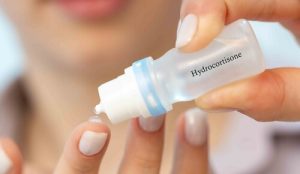
Exploring alternative remedies and preventive measures for sunburn is crucial for those seeking relief and protection from the harmful effects of sun exposure. Sunburn causes immediate discomfort and can contribute to long-term skin damage, including an increased risk of skin cancer. This comprehensive overview delves into natural and effective strategies for soothing sunburned skin. It outlines key practices for preventing and treating sunburn, highlighting the importance of integrating these methods into one’s sun care routine.
Aloe Vera Gel: Renowned for its cooling and healing properties, applying aloe vera gel directly to sunburned skin can provide immediate relief and promote healing.
Cool Baths or Compresses: Taking a cool bath or applying cool compresses to affected areas can help reduce inflammation and alleviate pain.
Hydration: Drinking plenty of water helps rehydrate the skin from the inside out, aiding the recovery process for sun-damaged skin.
Wear Protective Clothing: Investing in clothing with built-in UV protection or simply covering up with lightweight, long-sleeved shirts and hats can significantly reduce sun exposure.
Regular Sunscreen Application: Applying a broad-spectrum sunscreen with an SPF of 30 or higher every two hours and after swimming or sweating is essential for protecting the skin from UV radiation.
Seek Shade: Limiting direct sun exposure, especially during peak hours between 10 a.m. and 4 p.m., can prevent sunburn and minimize UV damage.
In conclusion, turning to hydrocortisone for sunburn relief can effectively manage the discomfort and inflammation associated with sun-damaged skin. While it offers a promising solution for mild to moderate sunburns, understanding how to use it properly and recognizing its benefits and limitations is crucial. As with any treatment, adhering to safety precautions and being mindful of potential side effects ensures the health and well-being of your skin. Moreover, exploring alternative remedies and adopting preventive measures can further protect your skin from the harmful effects of the sun’s rays. By staying informed and cautious, you can confidently navigate sunburn’s challenges, keeping your skin healthy and resilient.
References
Sunburn: First aid – Mayo Clinic
https://www.mayoclinic.org/first-aid/first-aid-sunburn/basics/art-20056643#:~:text=For%20mild%20to%20moderate%20sunburn,dampened%20with%20cool%20tap%20water.
14 Best Sunburn Treatments | The Strategist
https://nymag.com/strategist/article/best-sunburn-treatments.html
Can hydrocortisone cream be used on sunburn?
https://www.drugs.com/medical-answers/hydrocortisone-cream-sunburn-3568269/
Topical corticosteroids in the treatment treat skin conditions of acute sunburn
https://pubmed.ncbi.nlm.nih.gov/18490588/
Sunburn
https://www.nhsinform.scot/illnesses-and-conditions/injuries/skin-injuries/sunburn/