

Unlock a world of new possibilities with Invisalign teeth attachments, the revolutionary tool in aesthetic dentistry. Offering an almost invisible path to a flawless smile, these innovative, custom-designed additions to the Invisalign system are transforming the way we approach orthodontic treatment. Made of clear, comfortable material, Invisalign teeth attachments act as tiny handles, giving your aligners extra grip to accomplish more complex movements. Dive into the realm of this groundbreaking technology, and learn how to bring the dream of a perfect smile into reality.
What are Invisalign Attachments?
Invisalign attachments, sometimes called buttons or bumps, are small, tooth-colored shapes made from a dental composite material bonded onto your teeth. These attachments work in conjunction with your Invisalign aligners to help them apply the right amount of force in the right direction, making it possible to make more precise and complex tooth movements.
The shape, size, and location of these attachments are custom-designed for each patient based on their unique orthodontic needs. The type of attachment you receive depends on the goal that is trying to be achieved, like tooth rotation, intrusion, or extrusion. These attachments could be round, rectangular, or even ellipsoidal, and are strategically placed on your teeth by your orthodontist following a precise map generated by Invisalign’s treatment planning software.
How Do They Work?
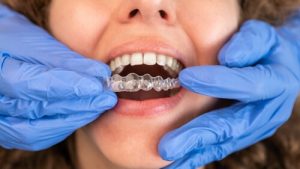 Once these attachments are in place, your custom-made Invisalign trays, which have corresponding bumps in their plastic, fit snugly over them. The attachments latch onto the aligners, which helps them exert more force on the teeth, aiding in the movement of teeth in a specific direction or rotation.
It’s important to note that while these attachments are generally unnoticeable because they’re clear or tooth-colored, they can make the aligners a bit more visible. However, they are a crucial part of the treatment for many patients, enabling Invisalign to correct a wider range of orthodontic issues that were once only possible with traditional braces.
How are Invisalign Attachments or Buttons Attached and Removed?
The process of attaching Invisalign attachments or buttons to your teeth is a relatively simple and non-invasive procedure that your orthodontist carries out.
Here’s a step-by-step breakdown of how it works:
- Preparation: Your orthodontist will first clean your teeth to ensure that they are free from any plaque or debris.
- Application: They will then apply a small amount of dental bonding material (usually a tooth-colored composite resin) onto the specific areas of your teeth where the attachments need to be placed. The placement locations are determined by the custom treatment plan designed for you by Invisalign.
- Shaping: A template (essentially a tray that fits over your teeth, much like the Invisalign aligners themselves) is used to help shape the bonding material into the necessary form. This template is created from your aligner and has spaces where the attachments will be.
- Curing: Once the bonding material is in place and properly shaped, it is hardened or cured using a special light.
- Finishing: After the material has cured, the template is removed, leaving you with the finished attachments on your teeth. Your aligners should then fit over these attachments snugly.
The process of removing the attachments at the end of your treatment is also straightforward:
- Buffing: Using a dental polishing tool, your orthodontist will gently buff away the attachment. This is usually a quick and painless process.
- Cleaning: Once all of the attachment material has been removed, your teeth are cleaned and polished.
Both the attachment and removal processes are generally painless, but if you do feel any discomfort, it’s important to let your orthodontist know. They can take steps to make the procedure as comfortable as possible for you.
Living With Invisalign Buttons
Living with Invisalign buttons or attachments can take a little getting used to, but the rewards of a healthier, more aligned smile are well worth the adjustment. Here’s what you know about Invisalign attachments:
- Initial Discomfort: At first, you may experience slight discomfort or a feeling of pressure on your teeth where the attachments are placed. This is because the buttons help your aligners exert extra force to move your teeth. However, this discomfort usually subsides after a few days as your mouth adjusts.
- Eating and Drinking: Just like with regular Invisalign clear aligners, you will need to remove your aligners when eating or drinking anything other than water to prevent staining or damaging the aligners. The attachments are made from sturdy material and should not interfere with normal eating when the aligners are out.
- Oral Hygiene: Keeping your straight teeth clean may require more attention, as the attachments can provide additional places for plaque and food to get stuck. Regular brushing, flossing, and use of antimicrobial mouthwash can help keep your oral hygiene on track.
- Aesthetics: While Invisalign attachments are made to be as unnoticeable as possible, they may make your aligners slightly more noticeable, especially if you have many attachments. However, they are still far less visible than traditional metal braces.
- Speech: Some people may notice a slight change in their speech when they first get their attachments. This is because the attachments can affect the way your lips and tongue move when you speak. Most people adjust quickly, and any speech changes are generally temporary.
- Wearing Aligners: With attachments, it’s particularly important to wear your aligners for the recommended 20-22 hours per day. This is because the attachments are designed to work with the aligners to move your teeth – if you’re not wearing your aligners as much as you should, your treatment may not progress as planned.
Remember, every person’s experience with Invisalign attachments can be slightly different, but any initial discomfort or inconvenience usually gives way to a routine. As you go along, you’ll likely find that living with Invisalign buttons becomes another part of your daily life. Plus, knowing that they’re helping you achieve your dream smile can make any minor hassles seem insignificant.
What about Invisalign elastics?
Invisalign elastics, also known as rubber bands, are sometimes used in conjunction with Invisalign treatment to correct certain bite issues. These elastics are similar to those used with traditional braces, and they help to apply additional pressure to move the teeth in a specific direction, allowing the orthodontist to precisely control the force applied to your teeth.
The elastics are usually attached to “buttons” that are adhered to the aligners, with one end of the elastic on an upper tooth and the other on a lower tooth. These elastics create a force that helps to adjust the position of the teeth, aligning them correctly over time.
The use of Invisalign elastics is often necessary when treating more complex orthodontic cases, such as overbites, underbites, crossbites, or significant tooth misalignment. They are typically worn all day and night, except when eating or cleaning the teeth and aligners, and are usually replaced daily.
Just as with the aligners, it’s crucial to follow your orthodontist’s instructions regarding when and how to wear the elastics. Not wearing them as directed could slow down your treatment progress. Using elastics may cause some initial discomfort, but this usually subsides after a few days as your mouth adjusts.
Can Invisalign Attachments Be Removed During Treatment?
Yes, Invisalign attachments can be removed during the course of treatment, but it should only be done by your Harris Dental Boutique dentist in Bundaberg, QLD for specific reasons.
These might include:
- If the attachment is not aiding in tooth movement as expected.
- If the attachment has become damaged or loose.
- If the treatment plan changes and certain attachments are no longer necessary or new ones must be placed.
Remember, these attachments are an integral part of the Invisalign treatment process, helping to accomplish the desired tooth movement. It is not advised to request their removal simply due to discomfort or aesthetic reasons, as doing so could hinder your progress and compromise your treatment outcome.
If you’re feeling discomfort or are unhappy with the appearance of your attachments, it’s best to discuss these issues with your orthodontist. They can help address any concerns and potentially make adjustments to improve your comfort without disrupting your treatment plan.
Are Invisalign Attachments Noticeable?
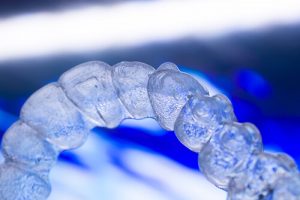 Invisalign attachments, also known as buttons or bumps, are generally not very noticeable because they’re made from a tooth-colored composite material that blends in with your teeth. Their size and shape are designed to be as discreet as possible. However, their visibility can depend on a few factors:
- Location: Attachments placed on the front teeth may be more noticeable than those on the side or back teeth.
- Number: The more attachments you have, the more likely they are to be noticeable.
- Color: Although attachments are tooth-colored, if your teeth are significantly whiter or darker, the attachments might stand out a bit more.
- Size: Some attachments might be larger than others, depending on the movement required for a particular tooth.
Keep in mind, though, that even if attachments are somewhat visible, they are still far less conspicuous than traditional metal braces. The overall aesthetic impact is minimal, especially when compared to the eventual outcome – a beautifully aligned smile. If you have concerns about the visibility of your attachments, it’s best to discuss these with your orthodontist. They may be able to address your concerns while still ensuring effective treatment.
How Many Invisalign Attachments Will I Need?
The number of Invisalign attachments you’ll need is highly individualized and depends on the complexity of your specific case and the amount and type of tooth movement required. Some people may only need a few attachments, while others may require several.
Your orthodontist determines the number and placement of attachments based on a customized treatment plan. The plan is developed using advanced technology, which includes 3D imaging of your teeth and jaw structure.
Generally speaking, more complex orthodontic issues, such as severe crowding, large gaps, or significant bite issues, may require more attachments. Simpler cases, with minor adjustments needed, may require fewer or no attachments.
Remember, these attachments help the aligners grip the teeth better, allowing them to apply the necessary force to move your teeth into their correct positions. Although they might make your aligners slightly more noticeable, they are critical to the success of the treatment.
Always remember to discuss your treatment plan thoroughly with your orthodontist. They should be able to explain why each attachment is necessary and how it will contribute to your overall treatment goals.
Do Invisalign Attachments Stain or Damage Teeth?
It’s worth noting that the attachments themselves can sometimes become stained over time, especially if you regularly consume staining foods and drinks like coffee, tea, red wine, or highly pigmented foods. Smoking can also lead to staining. However, these stains only affect the attachments, not your actual tooth enamel.
Prevent staining by:
Maintain good oral hygiene practices. Brushing your teeth twice a day and flossing regularly can help, as can avoiding potential staining substances where possible. In some cases, your dentist or orthodontist may be able to clean or polish the attachments to remove or reduce any noticeable stains.
Remove attachments after completing treatment. When your Invisalign treatment is completed, your orthodontist will remove the attachments. They are buffed off the teeth, which does not cause damage. Once the attachments are removed, there should be no visible sign they were ever there, provided you’ve maintained good oral hygiene throughout your treatment.
As always, discussing any concerns about potential staining or damage with your orthodontist is best. They can provide further advice tailored to your specific situation.
Does everyone need attachments?
Not all Invisalign patients need attachments. The necessity for attachments is dictated by the complexity of your specific case and the nature of your orthodontic issues. Attachments assist with complex tooth movements like rotations or tilting, providing additional grip for the aligners to work more effectively. For minor adjustments, Invisalign alone may be sufficient. However, for more significant orthodontic challenges, attachments are typically required. Your orthodontist decides to use attachments based on a detailed, personalized treatment plan using 3D imaging. Despite making aligners a bit more visible, attachments are crucial in ensuring successful treatment outcomes and achieving your perfect smile.
Can I Whiten My Teeth with Invisalign Attachments On?
While whitening your teeth while wearing Invisalign attachments is technically possible, it’s generally not recommended. There are a few reasons for this:
- Uneven Whitening: The attachments are bonded directly onto your teeth, and the whitening agent cannot penetrate underneath them. This can result in uneven whitening, with the areas underneath the attachments being a different color than the rest of your tooth.
- Attachment Discoloration: The tooth-colored composite material of the attachments may not respond to whitening treatments as your natural tooth enamel does. This can lead to the attachments standing out if the rest of your teeth are whitened.
- Possible Irritation: The whitening gel can sometimes irritate your gums or cause sensitivity, particularly if it gets trapped beneath your aligners.
If you want to whiten your teeth, it’s usually best to wait until after your Invisalign treatment is complete and the attachments have been removed. However, you should always consult with your orthodontist or dentist before starting any whitening treatment, as they can give you the best advice based on your specific situation and oral health needs.
What are Invisalign chewies, and how do I use them?
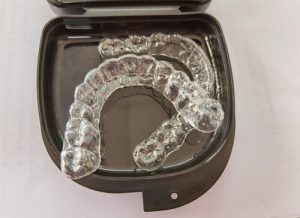 Invisalign chewies are small, cylinder-shaped cushions made of a soft, spongy material that you can bite down on to help seat your aligners properly. They’re particularly useful when you’ve just switched to a new set of aligners, and the fit might be tight. To use a chewie, you simply place it between your teeth and bite down for about 5-10 seconds, moving it around your mouth to apply pressure to all areas of the aligner. Doing this for a few minutes a few times a day can help ensure your aligners are fitting tightly against your teeth, which is essential for the treatment to be effective. Once you’re done, rinse the chewie with water and store it in a clean, dry place.
Can I Use an Electric Toothbrush with Invisalign Attachments?
Yes, you can definitely use an electric toothbrush while you have Invisalign attachments. In fact, it’s encouraged to maintain a good oral hygiene routine, which includes brushing your teeth thoroughly after each meal before putting your aligners back in. An electric toothbrush can be particularly effective at removing plaque and food particles around the attachments. Be sure to brush gently around the areas where the attachments are placed to avoid dislodging them and don’t forget to floss and rinse with mouthwash for a comprehensive clean. It’s always essential to keep your teeth clean to ensure the effectiveness of your Invisalign treatment and to maintain overall oral health.
Invisalign attachments, often called buttons or bumps, are small tooth-colored pieces made of composite material bonded to your teeth during Invisalign treatment. These attachments serve as anchors that help the aligners exert the necessary force to move your teeth into their correct positions, particularly for more complex movements. The number and location of attachments are highly individualized, based on each person’s treatment plan. While they might make your aligners slightly more noticeable, they’re crucial for the treatment’s success. Attachments are generally safe and do not damage your teeth, but they may become stained if not cleaned properly. After the treatment is completed, the attachments are removed by your orthodontist.
References:
https://www.healthline.com/health/dental-and-oral-health/invisalign-attachments
https://www.healthline.com/health/does-invisalign-work
https://www.forbes.com/health/body/invisalign-review/
https://www.healthline.com/health/dental-and-oral-health/invisalign-attachments